If you remember one number for your gut, make it thirty. Not thirty grams — thirty different plants across a week.
It sounds like a lot until you start counting properly, at which point most people discover they are somewhere around twelve and closing the gap is easier than expected. I counted mine once. It was frankly embarrassing.
Why diversity rather than quantity
Evidence: Moderate. Large microbiome studies have found that the number of different plants someone eats weekly predicts gut bacterial diversity better than total fibre intake does.
The reason is that different plants contain different fibres and polyphenols, and different bacteria specialise in different substrates. Eating a great deal of one fibre feeds a narrow group very well. Eating thirty different things feeds thirty different groups.
Diversity matters because a varied microbiome is more resilient, better at producing short-chain fatty acids, and associated with better metabolic markers.
What counts
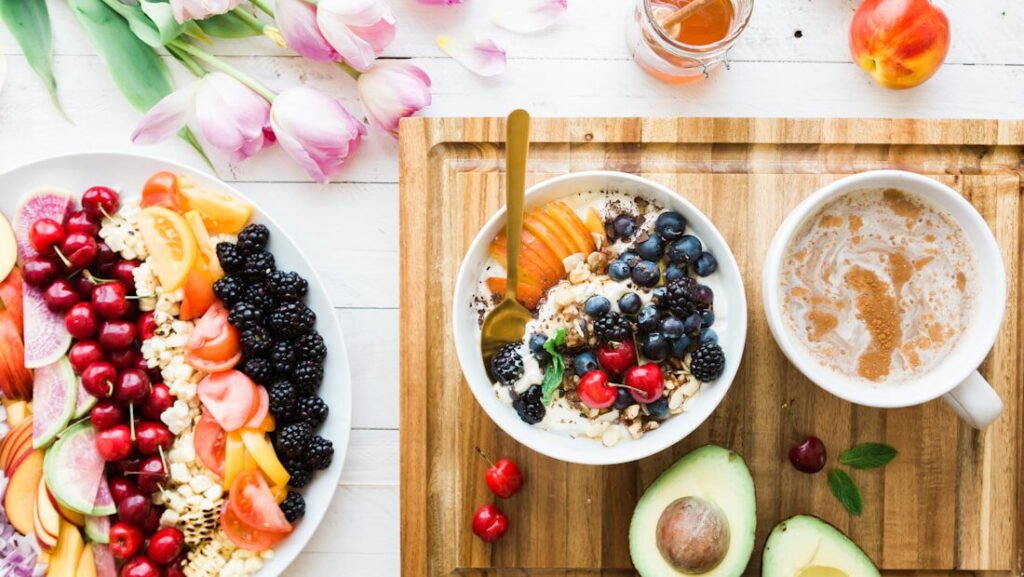
Vegetables, fruit, whole grains, nuts, seeds, legumes, herbs and spices. Yes, the basil counts. So does each different bean in a mixed-bean tin, counted separately — I have never felt more like an accountant while making dinner. Coffee and dark chocolate count, which is the detail everyone remembers.
What does not count: the same apple seven times, or highly refined products where the plant has been processed beyond recognition.
How to get there without a spreadsheet
Four purchases do most of the work. A bag of mixed frozen vegetables. A bag of mixed nuts. A bag of mixed seeds. A jar of mixed dried herbs. That is roughly twelve to fifteen plants from four items, and they keep.
Then: rotate the fruit you buy weekly rather than buying the same three. Buy mixed-bean tins rather than single-variety. Add a handful of herbs to whatever you are already cooking.
You are not adding meals. You are adding variety to the meals you already make.
Go slowly, genuinely
Work up over three or four weeks. Going from very little fibre to a bean casserole overnight produces exactly the bloating that makes people conclude fibre is not for them.
If you have IBS or have been advised to follow a low-FODMAP approach, this needs adapting with a dietitian rather than applied wholesale.
Questions people actually ask
Does frozen or tinned count?
Yes, fully. Frozen vegetables are often picked and frozen at ripeness, and tinned pulses are nutritionally excellent. Cost and convenience are not a compromise here.
Is thirty an official target?
It comes from microbiome research rather than a formal guideline. Treat it as a useful, memorable direction rather than a rule you can fail.
What if I already eat a lot of vegetables?
Count for one honest week before deciding. Most people eat a large volume of a small number of plants, which is a different thing from variety.
More in the gut health section.
Where this comes from
- PubMed — dietary plant diversity and gut microbiome
- mSystems — American Gut Project
- British Dietetic Association — fibre food fact sheet
- NHS — How to get more fibre into your diet
Links open in a new tab. Where a claim rests on a small or mixed body of evidence, that is stated in the text above.